Clinic & Procedures
Dakota Dunes
Dakota Dunes Clinic
345 W. Steamboat Dr. , Suite 601
Dakota Dunes, SD 57049
Dakota Dunes Procedure Center
345 W. Steamboat Dr. , Suite 701
Dakota Dunes, SD 57049
(605) 217-5617 4 providers
Chronic venous disease diagnosis and treatment. Venous reflux, leg swelling & skin changes treated with minimally invasive procedures.
Chronic venous disease (also called chronic venous insufficiency) occurs when the walls or valves of leg veins are not working effectively, causing blood to pool in the legs. As many as 40% of people in the U.S. have chronic venous disease. The condition is common in individuals over 50 and more prevalent in women than in men.
Valves in the veins help prevent blood from flowing backwards while traveling up toward the heart. Increased blood pressure can cause the veins to expand, leading to damage or loss of valve function. Valve damage or increased venous pressure can also be caused by:
Certain risk factors may make you more likely to develop chronic venous disease:
Age
Family history
Smoking
Varicose veins
Obesity
Pregnancy
Sedentary lifestyle
Signs and symptoms of chronic venous disease that you or your doctor may notice include:
To diagnose chronic venous disease, your doctor will ask about your symptoms and medical history, perform a physical exam, and may use a vascular or duplex ultrasound. Early diagnosis through routine screenings for those at risk is key for long-term success.
The symptoms, complications, and treatments for chronic venous disease become more challenging as the condition progresses. Left untreated, venous pressure and swelling increase to the point that capillaries burst, causing skin discoloration, sensitivity, and inflammation. In serious cases, this can lead to ulcers, infection (cellulitis), and internal tissue damage.
Vascular & Interventional Specialists offers minimally invasive, outpatient procedures to treat chronic venous disease:
While chronic venous disease cannot always be prevented, the following steps can reduce your risk:
At Vascular & Interventional Specialists, we are committed to providing innovative, minimally invasive treatments to help you live your best life.
Contact us today or call (605) 217-5617 to schedule your consultation.
If you experience emergency symptoms, call 911 immediately.
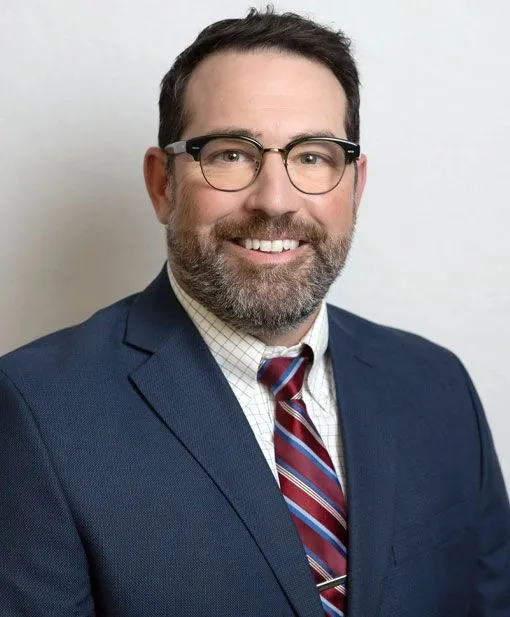
Vascular & Interventional Radiologist
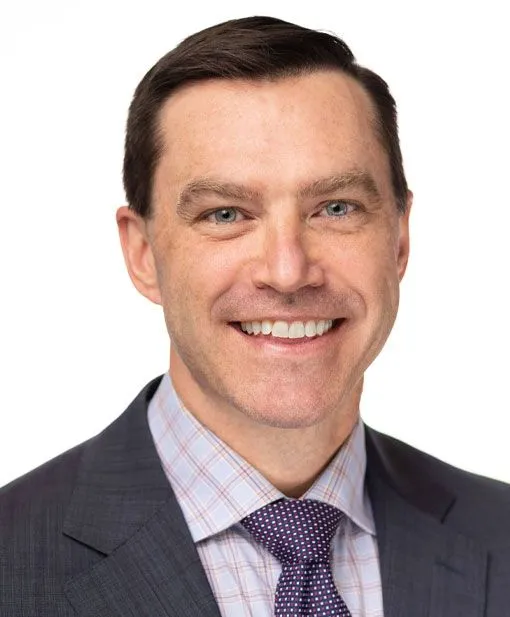
Vascular & Interventional Radiologist
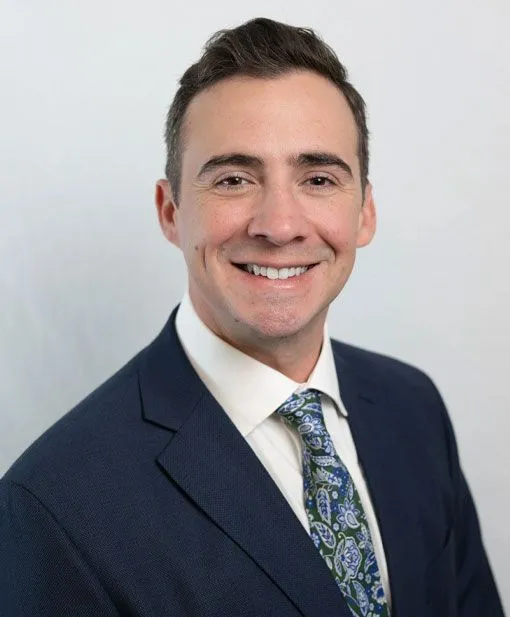
Vascular & Interventional Radiologist
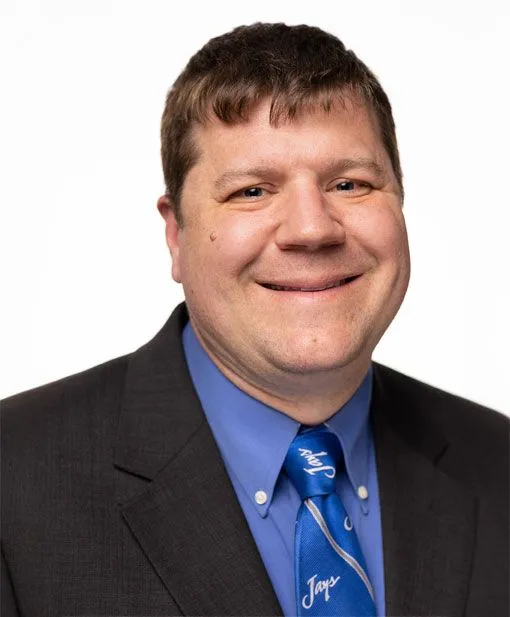
Vascular & Interventional Radiologist
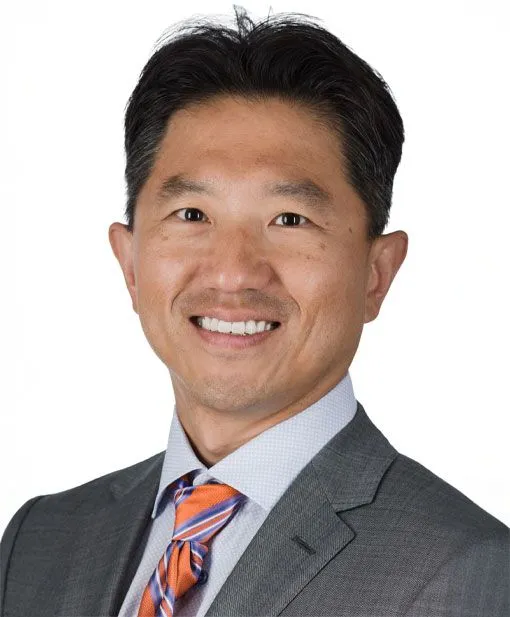
Vascular & Interventional Radiologist
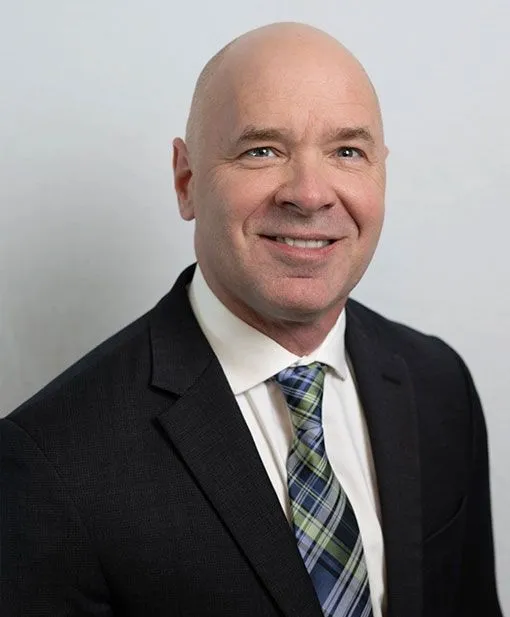
Vascular & Interventional Radiologist
Dakota Dunes Clinic
345 W. Steamboat Dr. , Suite 601
Dakota Dunes, SD 57049
Dakota Dunes Procedure Center
345 W. Steamboat Dr. , Suite 701
Dakota Dunes, SD 57049
+1 more locations
Omaha Clinic
17404 Burke St. , Suite 102
Omaha, NE 68118
Omaha Procedure Center
17410 Burke St. , Suite 105
Omaha, NE 68118