
The Causes and Risk Factors for Uterine Fibroids
When a woman is in her reproductive years, she may be vulnerable to [uterine fibroids. Th
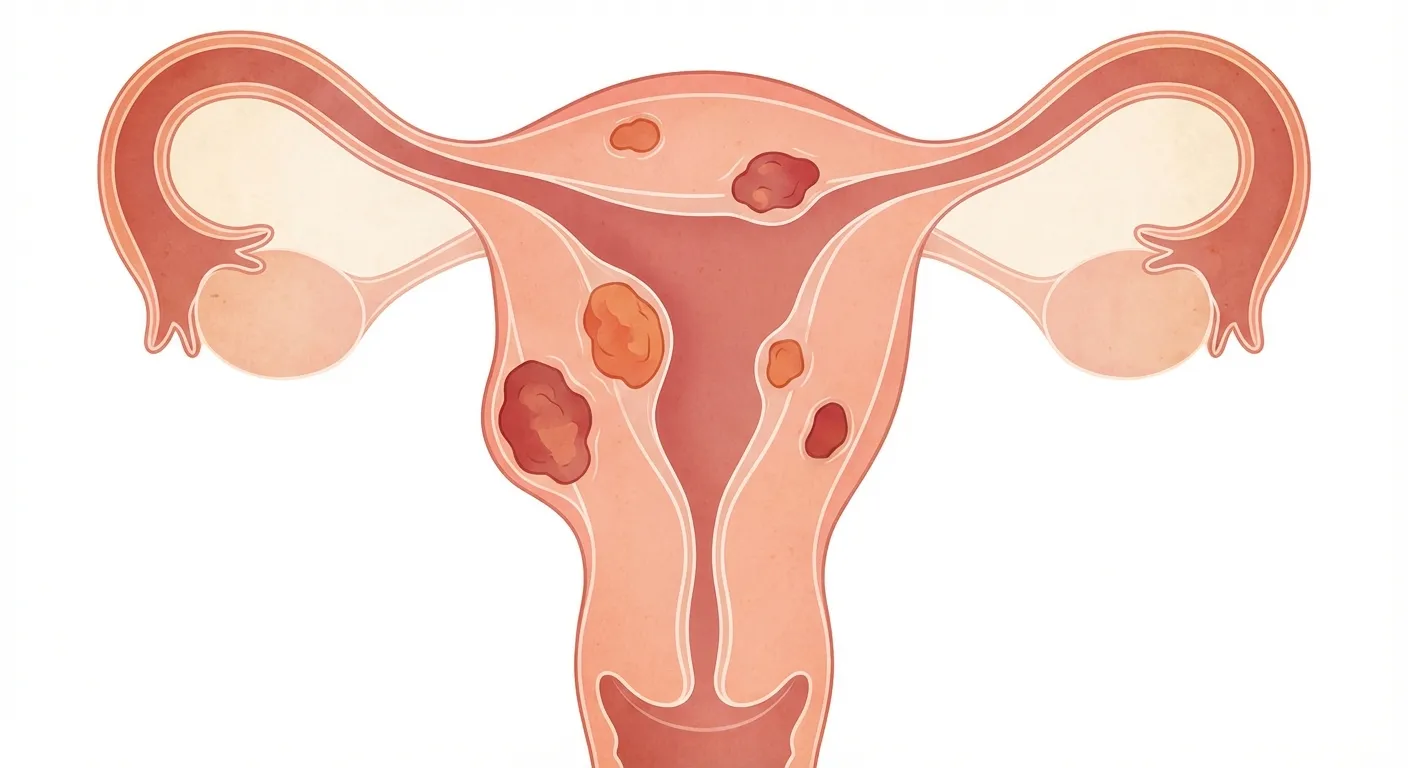
When a woman is in her reproductive years, she may be vulnerable to uterine fibroids. These refer to benign tumors composed of connective tissue and muscle that grow inside the uterus. Sometimes, this condition doesn’t present any noticeable symptoms. But in other cases, the fibroids can lead to severe pain and discomfort. At Vascular & Interventional Specialists, we specialize in treating uterine fibroids; but first, let’s discover common causes and risk factors for this condition.
Genetics
In some cases, genetics play a role in whether women develop uterine fibroids. In fact, if a woman’s immediate family member — like her mother or sister — has this condition, she is much more likely to suffer from it, too. Ethnicity is also a factor, as Black women are the demographic most likely to develop these fibroids.
Hormones
Estrogen and progesterone play a key role in a woman’s reproductive cycle, but they’re also responsible for causing uterine fibroids to grow. Because of this, this condition is more common during a woman’s reproductive years, and they can shrink by themselves after menopause. Due to elevated hormone levels, fibroids can also develop during pregnancy.
Age
As a woman enters her reproductive years and grows older, she becomes more and more likely to develop uterine fibroids. In fact, they are most common between the ages of 30 and 50. However, as mentioned, the fibroids often shrink and stop growing back after menopause.
Lifestyle
Depending on a woman’s lifestyle choices, she may make herself more susceptible to experiencing uterine fibroids. Factors such as obesity, diet, and alcohol consumption have been known to influence this condition. In addition, women who have never given birth are also more prone to developing it.
If you believe you have uterine fibroids, understanding the potential causes and risk factors can make your diagnosis easier to manage. Fortunately, Vascular & Interventional Specialists is here to help patients throughout Iowa, Nebraska, and South Dakota, so contact us today to find the clinic nearest you.