
Risk Factors That Increase the Chance of Deep Vein Thrombosis
Discover the key risk factors for deep vein thrombosis (DVT) and how to reduce your risk.
Deep Vein Thrombosis / Pulmonary Embolism
Deep vein thrombosis (DVT) occurs when a blood clot forms in a deep vein, most commonly in the legs. If a clot travels to the lungs, it can lead to a pulmonary embolism, which is a serious medical condition requiring prompt care. At Vascular & Interventional Specialists, patients in Lee’s Summit, MO receive comprehensive vascular evaluation and treatment for conditions involving deep vein thrombosis and pulmonary embolism. Understanding the factors that increase the risk of DVT is an important step in preventing complications and protecting long-term vascular health.
Understanding Deep Vein Thrombosis
Deep vein thrombosis develops when blood flow slows or when the blood becomes more likely to clot. These clots typically form in the deep veins of the legs and may cause symptoms such as swelling, pain, warmth, or redness in the affected limb. In some cases, however, DVT may develop without obvious symptoms.
The greatest concern with DVT occurs when part of the clot breaks loose and travels through the bloodstream to the lungs. This condition, known as pulmonary embolism, can interfere with normal blood flow through the lungs and requires immediate medical attention.
Medical Conditions That Increase Risk
Certain medical conditions can make blood clot formation more likely. Individuals with heart disease, cancer, or inherited clotting disorders may have a higher risk of developing deep vein thrombosis. Hormonal changes, including those associated with pregnancy or hormone therapy, may also increase the likelihood of clot formation.
Chronic illnesses that affect circulation can contribute to slower blood flow in the veins, which may create an environment where clots can form more easily.
Lifestyle and Situational Risk Factors
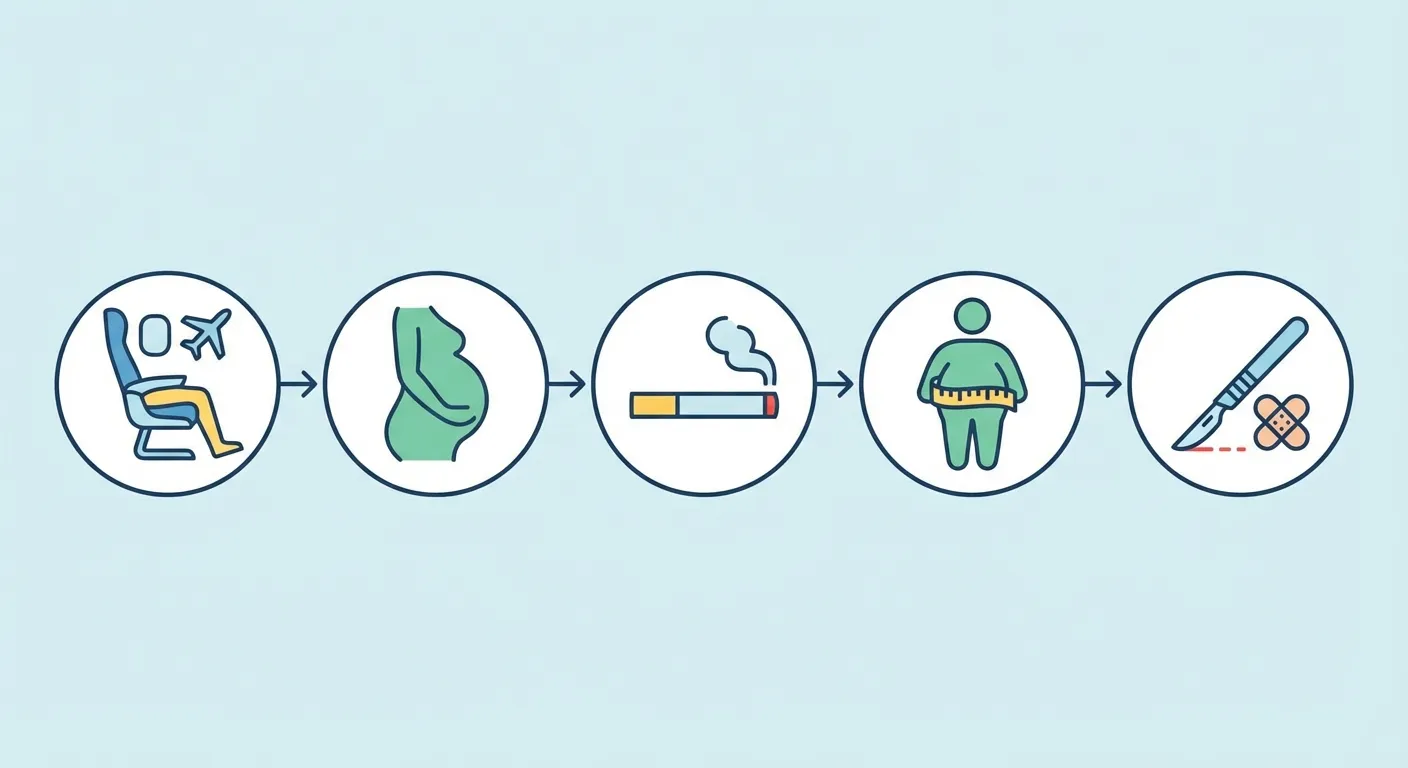
Extended periods of immobility are one of the most common contributors to deep vein thrombosis. Long flights, prolonged bed rest, or recovery after surgery can slow circulation in the legs and increase the risk of clot formation.
Other lifestyle factors may also influence DVT risk. Smoking, obesity, and reduced physical activity can affect vascular health and circulation. Injury or trauma to the veins may also increase the chance of clot development.
Why Early Evaluation Matters
Recognizing risk factors and symptoms early allows vascular specialists to intervene before complications occur. Diagnostic imaging and vascular testing can help identify clots and evaluate circulation in the affected veins.
Prompt treatment helps restore blood flow and reduce the risk of a clot traveling to the lungs. Early care can also help prevent long-term complications that may affect leg health and circulation.
Deep Vein Thrombosis Care in Lee’s Summit, MO
Deep vein thrombosis and pulmonary embolism require careful evaluation and management to protect vascular health. At Vascular & Interventional Specialists in Lee’s Summit, MO, patients receive specialized care designed to diagnose and treat vascular conditions affecting the veins.
If you have concerns about symptoms or risk factors related to deep vein thrombosis, contact Vascular & Interventional Specialists in Lee’s Summit, MO today to schedule an appointment and learn more about available treatment options.
Dakota Dunes, SD: 605-217-3345
Omaha, NE: 531-444-4757
Crystal Lake, IL: 815-846-0037
Lee’s Summit, MO: 816-675-0920