
Can Your Arteries Recover From Smoking?
Learn about Can Your Arteries Recover From Smoking? at Vascular & Interventional Specialists. Expert vascular and interventional care across the Midwest.
Smoking is a well-known contributor to a range of health problems, including cardiovascular diseases. When it comes to the health of your arteries, the damage caused by smoking can be particularly impactful. Arteries play a vital role in transporting oxygen-rich blood throughout your body, and their condition and overall health is crucial for well-being. The question that arises is whether your arteries can recover from the detrimental effects of smoking.
Explore the complex relationship between smoking and arterial health and find strategies for fostering artery healing from the experts at Vascular & Interventional Specialists. And if you’re in need of vascular care of any kind, make an appointment with our board-certified, fellowship-trained doctors today.
Understanding Arterial Damage from Smoking
To grasp the potential for artery recovery, it’s essential to understand how smoking affects these crucial arteries and veins. Smoking exposes your arteries to harmful substances, including nicotine, carbon monoxide, and various chemicals. These substances initiate a cascade of negative effects:
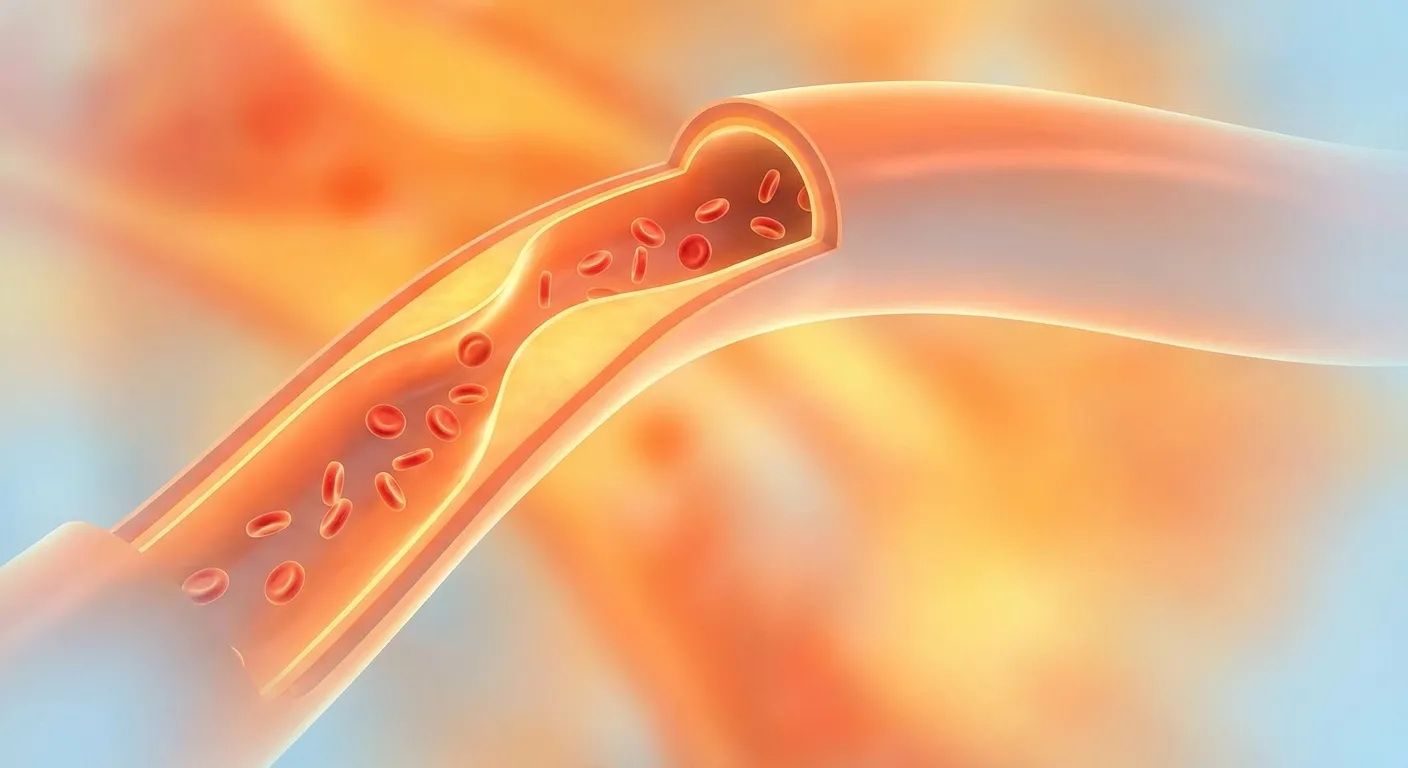
- **Atherosclerosis: **Smoking accelerates the buildup of fatty deposits, or plaque, on the inner walls of arteries, a condition known as atherosclerosis. Over time, this plaque hardens and narrows the arteries, reducing blood flow and increasing the risk of heart disease, stroke, and peripheral arterial disease (PAD).
- **Endothelial Dysfunction: **The endothelium is a thin layer of cells that lines the interior of blood vessels. Smoking damages these cells, leading to endothelial dysfunction. Healthy endothelial function is essential for regulating blood flow, maintaining blood pressure, and preventing clot formation.
- Inflammation: Smoking triggers inflammation within blood vessels, promoting the release of inflammatory molecules. Chronic inflammation contributes to the progression of arterial damage and the formation of arterial plaque.
- Oxidative Stress: Smoking generates oxidative stress, an imbalance between harmful free radicals and protective antioxidants in the body. Oxidative stress damages cells, including those within arterial walls, further compromising their function.
Artery Recovery: Is It Possible?
The human body has remarkable regenerative capacities, and arteries are no exception. However, the extent of recovery from smoking-induced arterial damage can vary based on several factors, including the duration and intensity of smoking, genetics, age, and overall health. While a complete reversal of damage may not always be achievable, significant improvements are possible:
- **Immediate Benefits: **Quitting smoking immediately benefits your arteries. Within hours, your blood pressure starts to drop, and your heart rate returns to a healthier level. This immediate relief reduces the strain on your arteries and helps pave the way for recovery.
- **Arterial Remodeling: **Arteries can undergo a process called remodeling, where they adapt to changes in blood flow. When you quit smoking, improved blood flow prompts positive changes in the structure of your arteries, potentially reducing plaque buildup and enhancing overall arterial health.
- **Endothelial Healing: **The endothelium has a remarkable ability to heal and regenerate. Once you stop smoking, the damaging effects on endothelial cells begin to reverse. Healthy endothelial function contributes to improved blood vessel dilation, reduced inflammation, and a lower risk of clot formation.
- **Reduced Inflammation and Oxidative Stress: **Smoking cessation leads to a decrease in inflammation and oxidative stress. This reduction in harmful factors contributes to a more favorable environment for arterial healing.
Promoting Arterial Healing
While your arteries have the potential to recover, actively supporting their healing process is essential. Here are some strate